
Introduction:
The digital marketplace has become increasingly competitive. Businesses of every size are striving to attract attention, generate leads, and convert prospects into loyal customers. Amid this crowded landscape, selecting the right digital marketing agency can determine whether a company flourishes or struggles to gain visibility.
A competent agency acts as a strategic growth partner. It helps amplify brand awareness, increase customer acquisition, and improve overall marketing performance. Conversely, choosing the wrong agency can lead to wasted budgets, stagnant growth, and missed opportunities.
Understanding how to evaluate and select the right agency is therefore a critical business decision.
Understanding Your Business Goals Before Hiring
Defining Short-Term Objectives
Before reaching out to agencies, businesses should clearly articulate their immediate goals. These objectives may include generating leads, increasing website traffic, boosting online sales, or improving social media engagement.
A clear roadmap enables agencies to create tailored strategies rather than offering generic solutions. The more precise the objectives, the more effective the marketing campaign becomes.
Identifying Long-Term Growth Plans
While short-term wins are important, sustainable growth requires long-term vision. Businesses should consider where they want to be in one, three, or five years.
Whether the goal involves market expansion, brand authority, customer retention, or international growth, the chosen agency should demonstrate the capability to support these ambitions through scalable marketing strategies.
Types of Digital Marketing Agencies
Full-Service Agencies
Full-service agencies provide a comprehensive suite of services, including SEO, PPC advertising, social media management, content marketing, website development, email marketing, and analytics.
These agencies are ideal for businesses seeking a unified marketing approach. Working with a single provider often improves coordination and ensures strategic consistency across channels.
Specialized Marketing Agencies
Specialized agencies focus on particular disciplines such as search engine optimization, paid advertising, influencer marketing, or content creation.
Businesses with specific challenges may benefit from specialized expertise. For example, an e-commerce company struggling with organic traffic may achieve better results from an SEO-focused agency.
Evaluating Industry Experience
Why Industry Knowledge Matters
Industry familiarity enables agencies to understand customer behavior, market dynamics, and competitive landscapes more effectively.
An agency experienced in healthcare marketing, for instance, will likely understand regulatory requirements and audience sensitivities better than a generalist firm.
Reviewing Relevant Case Studies
Case studies provide valuable insights into an agency’s capabilities. Examine projects that resemble your business model, target audience, or industry sector.
Look beyond impressive visuals. Focus on measurable outcomes such as increased traffic, improved conversion rates, enhanced brand visibility, or revenue growth.
Assessing Services and Capabilities
SEO and Content Marketing
Search engine optimization remains one of the most valuable long-term marketing investments. Effective agencies should demonstrate expertise in technical SEO, keyword research, content strategy, link building, and performance monitoring.
High-quality content serves as the foundation of successful SEO campaigns. Agencies should be capable of producing authoritative and engaging content that resonates with target audiences.
Paid Advertising and Social Media Management
Paid advertising delivers rapid visibility when executed strategically. Agencies should possess expertise in platforms such as Google Ads, Meta Ads, LinkedIn Ads, and YouTube Advertising.
Similarly, social media management requires more than posting content. Successful agencies understand audience engagement, creative storytelling, community management, and campaign optimization.
Analyzing the Agency’s Portfolio and Results
Performance Metrics to Look For
A portfolio should showcase tangible outcomes rather than vague achievements. Evaluate metrics such as:
- Organic traffic growth
- Lead generation improvements
- Return on ad spend (ROAS)
- Conversion rate optimization
- Revenue increases
- Customer acquisition cost reductions
Data-driven evidence provides a stronger indication of competence than aesthetic presentations alone.
Signs of Consistent Success
Consistency is often more important than occasional breakthroughs. Agencies that repeatedly deliver positive outcomes across multiple clients typically possess refined methodologies and reliable processes.
Look for patterns of success rather than isolated victories.
Understanding Transparency and Communication
Reporting Practices
Transparency is essential for maintaining trust. Agencies should provide regular reports that clearly explain campaign performance, key metrics, challenges, and next steps.
Avoid agencies that overwhelm clients with jargon while withholding meaningful insights.
Client Collaboration Processes
Effective marketing partnerships thrive on collaboration. The agency should establish clear communication channels, meeting schedules, and feedback mechanisms.
Frequent communication minimizes misunderstandings and ensures strategic alignment.
Evaluating Technology and Marketing Tools
Analytics Platforms
Modern marketing relies heavily on data. Agencies should be proficient in tools such as Google Analytics, Google Search Console, CRM systems, heat mapping platforms, and reporting dashboards.
These technologies enable informed decision-making and continuous optimization.
Automation and AI Integration
Artificial intelligence and marketing automation have transformed campaign management. Forward-thinking agencies leverage automation for lead nurturing, customer segmentation, email marketing, predictive analytics, and campaign optimization.
The ability to embrace innovation often distinguishes exceptional agencies from average competitors.
Reviewing Client Testimonials and Reputation
Online Reviews
Online reviews offer valuable perspectives regarding reliability, professionalism, and performance.
Evaluate feedback across multiple platforms rather than relying solely on testimonials published on the agency’s website. Independent reviews often provide a more balanced assessment.
Client References
Direct conversations with current or former clients can reveal insights unavailable through marketing materials.
Ask references about communication quality, responsiveness, strategic thinking, and overall satisfaction with results.
Comparing Pricing Models and Budgets
Common Agency Pricing Structures
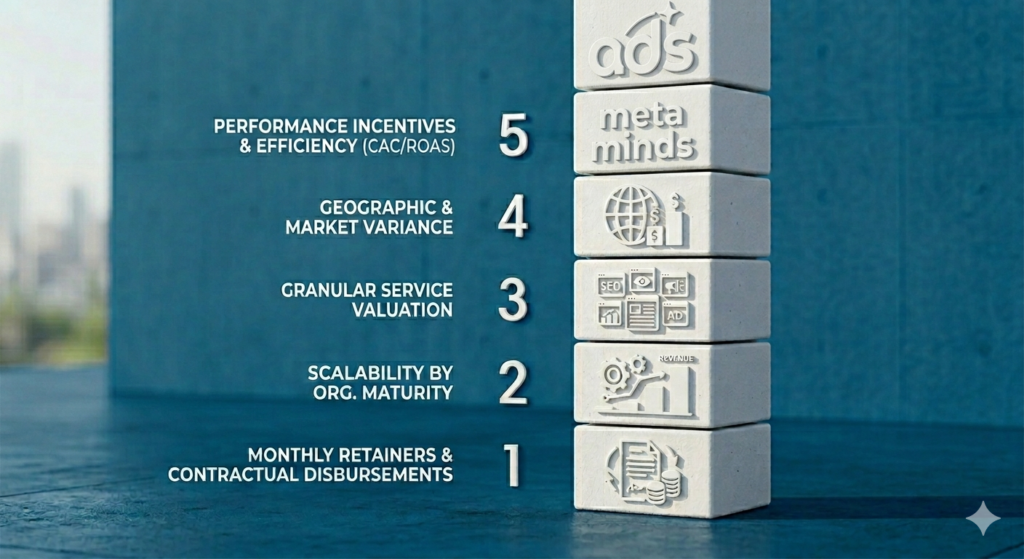
Digital marketing agencies typically use one of several pricing models:
- Monthly retainers
- Project-based pricing
- Hourly consulting fees
- Performance-based compensation
Understanding these models helps businesses align investments with expected outcomes.
Balancing Cost and Value
The cheapest option is rarely the most effective. Businesses should focus on value creation rather than simply minimizing expenses.
A higher investment in a capable agency often generates significantly greater returns over time.
Questions to Ask Before Signing a Contract
Strategic Questions
Ask prospective agencies:
- What strategy would you recommend for our business?
- How do you identify growth opportunities?
- How do you stay updated with industry changes?
- What differentiates your agency from competitors?
Their answers will reveal strategic depth and expertise.
Performance and Reporting Questions
Additional questions may include:
- How will success be measured?
- What reporting schedule do you follow?
- Who will manage our account?
- How do you handle underperforming campaigns?
These discussions establish expectations before the partnership begins.
Red Flags to Watch Out For
Unrealistic Guarantees
Be cautious of agencies promising guaranteed rankings, overnight success, or instant lead generation.
Digital marketing involves numerous variables, and no reputable agency can guarantee specific outcomes within fixed timeframes.
Lack of Transparency
Opacity often signals deeper issues. Agencies unwilling to explain strategies, share campaign data, or discuss performance openly should raise concerns.
Trustworthy partners prioritize clarity and accountability.
Building a Long-Term Partnership
Creating Shared Goals
The most successful agency relationships are built upon shared objectives. Both parties should agree on performance indicators, growth targets, and strategic priorities.
This alignment fosters collaboration and mutual accountability.
Maintaining Ongoing Communication
Markets evolve continuously. Customer preferences shift, competitors adapt, and algorithms change.
Regular communication ensures that marketing strategies remain agile, relevant, and effective in changing environments.
Conclusion:
Making a Confident Decision
Choosing the right digital marketing agency requires careful evaluation, strategic thinking, and thorough research. The ideal partner will understand your business goals, demonstrate measurable expertise, communicate transparently, and deliver data-driven results.